






How to Clean Suede Shoes Without Ruining Them
Learn how to clean suede shoes the right way — no water, no stains, no ruined texture. A step-by-step guide plus what never to do on suede.
Introduction
Our Suede Category: https://sneakare.com/collections/shop-by-material-suede
Suede is the material most sneakers don't survive a cleaning attempt on. Unlike leather or canvas, suede has no protective finish — it's essentially raw hide with a napped surface, which means water, oil, and heavy scrubbing all leave permanent marks instead of washing away. That's usually why suede shoes get set aside instead of worn: one water stain and the confidence to clean them again disappears.
The fix isn't avoiding suede altogether — it's using a dry-first method built for how the material actually behaves. This guide covers exactly how to clean suede shoes safely, restore ones that already have marks, and the handful of things you should never do to them.
What you'll need
Suede cleaning is almost entirely dry work, which is part of why it's often done wrong — the instinct to reach for water or a wet wipe is exactly what damages it.
- A dedicated suede brush (brass or crepe bristles, not the medium-bristle brush you'd use on canvas or leather)
- A suede eraser or clean pencil eraser, for scuffs and light stains
- A suede-safe cleaner or reviver, for stains the brush and eraser can't lift
- A dry, soft cloth
- A suede protector spray, applied before wear rather than after
Step-by-step: how to clean suede shoes
- Let it dry completely first. If the suede is damp or has a fresh stain, wait until it's fully dry before touching it. Working on wet suede almost always makes a mark worse or spreads it.
- Brush in one direction. Use the suede brush in short, one-directional strokes to lift dust and loose dirt. Brushing back and forth can matt the nap unevenly.
- Rub out scuffs with the eraser. For scratches and light scuff marks, gently rub with a suede eraser until the mark fades, then brush over the area to restore the texture.
- Treat remaining stains with a suede-safe cleaner. Apply a small amount to the stain only, following the product's instructions — never the whole shoe, and never a household cleaner or detergent not made for suede.
- Brush again once dry. After any treatment, a final brush restores the raised nap and evens out the texture across the shoe.
- Apply a protector spray before the next wear. This is what actually prevents most future stains — suede that's been treated repels light rain and spills instead of absorbing them.
What never to do on suede
- Never use water directly on a stain. It's the single biggest cause of permanent water rings on suede — the very thing people are usually trying to remove.
- Never scrub hard or in circles. Suede's nap crushes and flattens under pressure, and hard scrubbing can wear through the surface entirely.
- Never use leather conditioner or polish. These are designed for smooth, sealed leather and will darken or stain suede permanently.
- Never dry suede near heat. A heater or hairdryer speeds up drying but stiffens and cracks the material.
- Never machine-wash suede shoes. The tumbling, water, and detergent combination is close to a guaranteed way to ruin them.
How to handle specific suede stains
Water stains and rings: Once the suede is fully dry, brush the stained area in the same direction as the rest of the shoe. Light rings often fade with brushing alone; for a visible ring, dampen the entire panel evenly (not just the stain) with a barely damp cloth, then let it dry and brush — this stops one section from drying a different shade.
Oil and grease stains: Blot immediately with a dry cloth — never rub, which spreads the oil further into the nap. Cover the spot with cornstarch or talcum powder, leave it overnight to absorb the oil, then brush it away.
Salt marks (common after monsoon walking): Mix equal parts water and white vinegar, dab it lightly onto the salt line with a cloth, then brush once dry. Avoid soaking the area — a light dab is enough.
The easier way to keep suede in shape
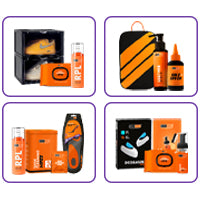
Every tool in the routine above — brush, eraser, cleaner — is bundled into the Sneakare Complete Suede & Nubuck Shoe Cleaning Kit, built specifically for the way suede needs to be cared for rather than adapted from a general shoe-cleaning kit.
What's in it and why it matches this routine:
- A dedicated suede & nubuck brush, with the right bristle type to lift dirt without crushing the nap — not a repurposed medium-bristle brush meant for canvas.
- A suede eraser, for scuffs and light marks exactly as described in the steps above.
- A 100ml suede reviver, for stains and dullness the brush and eraser can't fully lift, formulated to restore color and texture rather than just clean.
Together, it covers the full suede care cycle — dirt removal, stain treatment, and texture restoration — in one kit instead of three separate purchases, so the routine above takes one trip to your shoe rack, not three.
Frequently asked questions
Can suede shoes get wet? A little rain won't ruin them if they're allowed to dry naturally and are brushed afterward, but standing water or a soaking will almost always leave marks. A protector spray reduces the risk significantly.
How do I clean suede shoes without a suede brush? A soft-bristled toothbrush or a clean, dry towel can work for light dust, but a proper suede brush is worth having — it's the one tool that also restores the nap's texture, not just removes dirt.
Why does my suede look patchy after cleaning? Usually because only the stained spot was dampened or treated, leaving it a different shade from the rest of the shoe. Treating the whole panel evenly, then brushing once dry, fixes this.
Can I use household vinegar or alcohol on suede? Diluted white vinegar is safe in small amounts for specific marks like salt stains, applied sparingly. Rubbing alcohol and other household solvents are too harsh for suede and can discolor it.
How often should suede shoes be brushed? After every wear, ideally. A 30-second brush before storing them prevents dirt from settling into the nap, which is most of what makes suede look worn out over time.
The takeaway
Suede isn't fragile so much as it's specific — it just needs dry tools, light pressure, and patience instead of water and scrubbing. Once you've got the right brush and a suede-safe cleaner on hand, keeping a suede pair looking new is a five-minute habit, not a reason to leave them in the box.